Diagnostic Testing
Diagnostic Testing
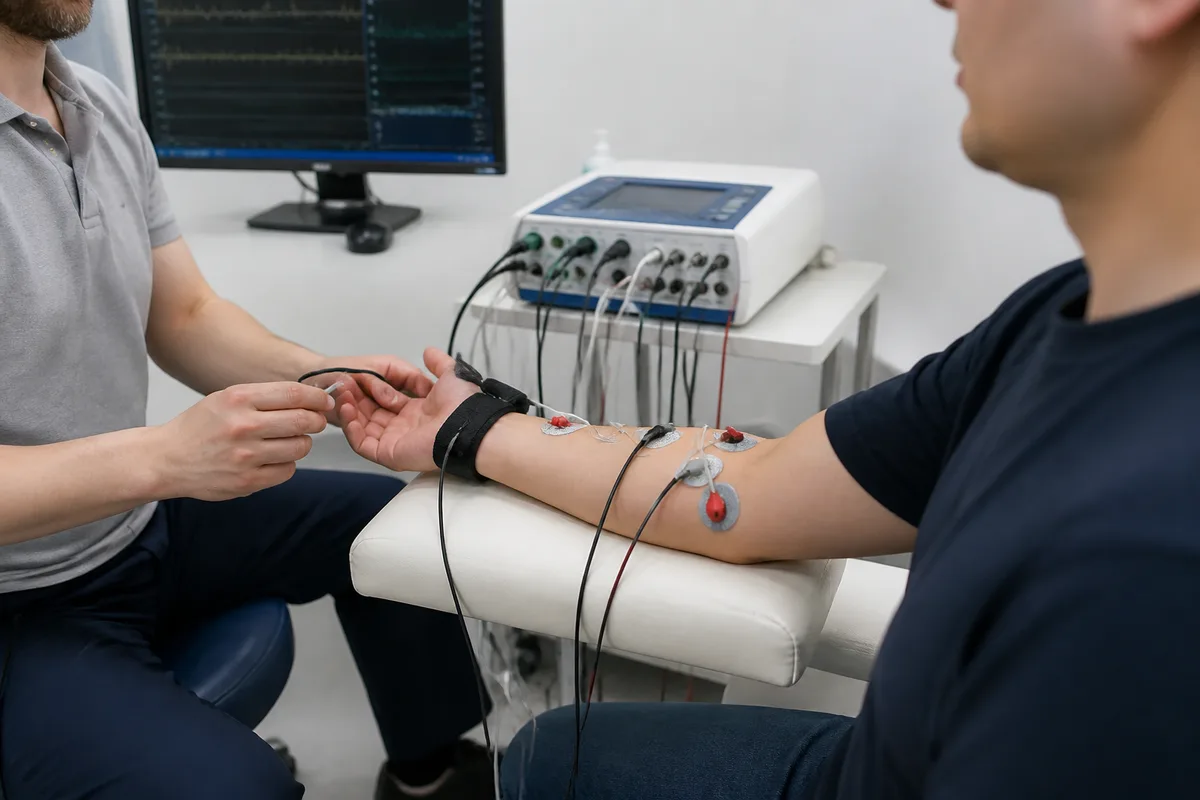
Diagnostic testing helps identify the source of pain, weakness, or movement limitations before a treatment plan is built. By combining imaging and clinical measures, our team can see what's happening beneath the surface and use that information to guide therapy toward the structures that actually need attention.
What Diagnostic Testing Can Involve
- Imaging Review — MRI or X-ray results are used to confirm findings such as disc involvement, fractures, or joint changes.
- Movement and Function Assessment — Clinical evaluation of strength, range of motion, and balance to understand how an injury affects daily activity.
- Balance Testing — Objective measurement of stability, useful when dizziness, past falls, or neurological symptoms are part of the picture.
On-Site Support
Because MRI and X-ray are available on-site, imaging results can be reviewed alongside your clinical exam without sending you elsewhere for scans. Reports are shared with your physician or therapist so the findings can directly shape your care plan. When balance or fall risk is a concern, the Biodex Balance System adds another layer of objective data to track over time.
Who Diagnostic Testing Is For
- New injuries — When the cause of pain or limited movement isn't yet clear.
- Ongoing conditions — When symptoms change and existing findings need to be reassessed.
- Pre-treatment planning — When a therapy or referral decision depends on a clearer picture first.
This content is for general information only and isn't medical advice. Check with your provider or doctor before you start a new exercise or treatment. If you have a medical emergency, call 911.