Neurological Rehabilitation
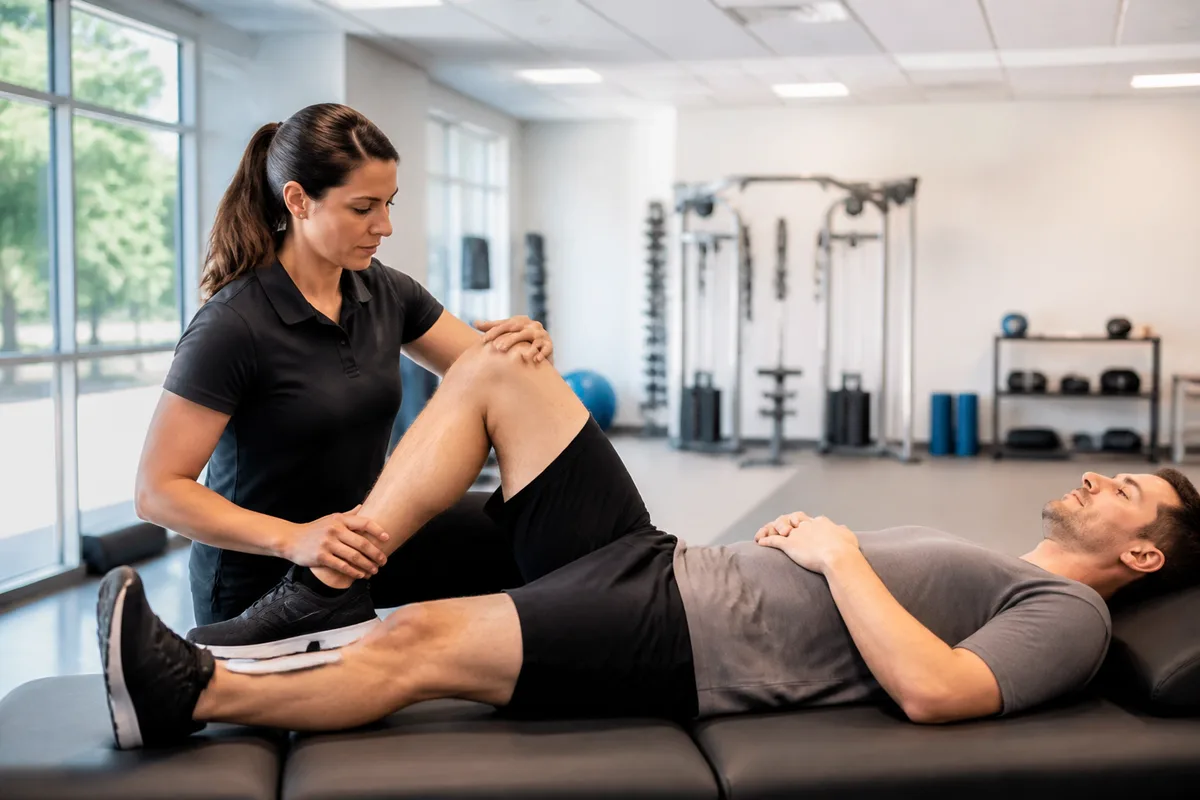
Neurological Rehabilitation
Neurological rehabilitation supports people recovering from or managing conditions that affect the brain, spinal cord, or nerves. It focuses on rebuilding movement, balance, coordination, and daily function after events such as stroke, multiple sclerosis, Parkinson's disease, or nerve injury. A treatment plan is tailored to each patient's specific deficits and goals.
What This Service Addresses
- Balance and Coordination — retraining the body's stability systems to reduce fall risk and improve confidence in movement.
- Muscle Weakness and Spasticity — exercises and techniques aimed at restoring strength and easing abnormal muscle tone.
- Gait and Mobility — practicing walking patterns and transfers to support safer, more independent movement.
- Functional Daily Skills — working toward tasks like dressing, standing, and reaching that are affected by neurological changes.
Tools That Support Neurological Care
- Biodex Balance System — interactive testing and training that measures stability and gives real-time feedback, useful for tracking balance-related progress.
- On-Site MRI & X-Ray — imaging available under the same roof, with reports shared with your physician or therapist to help guide the plan of care.
Getting Started
Neurological rehabilitation often works alongside other services, such as general physical therapy or pain management, depending on what a patient needs. Care typically begins with an evaluation of movement, strength, and balance to shape a plan that fits the individual's condition and goals.
This content is for general information only and isn't medical advice. Check with your provider or doctor before you start a new exercise or treatment. If you have a medical emergency, call 911.