Spine Surgery Rehabilitation
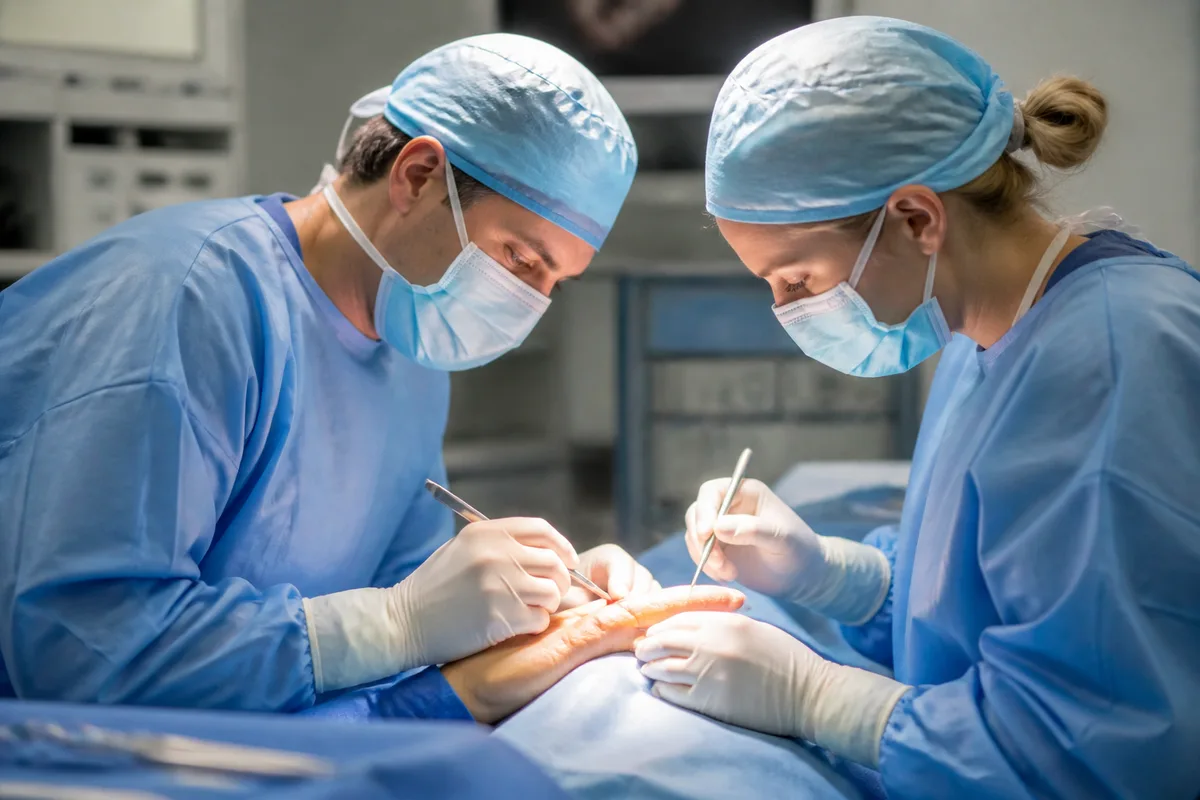
Spine Surgery Rehabilitation
Recovering from spine surgery takes a structured, gradual approach that protects the healing surgical site while restoring movement, strength and confidence. Whether the procedure addressed a herniated disc, spinal fusion, or decompression of a pinched nerve, a guided rehabilitation plan helps the body regain function safely and supports the surgeon's post-operative goals.
What Recovery Typically Involves
- Early Mobility Work — Gentle movement and positioning guidance to protect the surgical area while preventing stiffness.
- Progressive Strengthening — Building core and spinal-support muscles in stages as healing allows.
- Pain and Inflammation Support — Cold Laser Therapy is available as a drug-free option to help manage post-surgical pain and inflammation in soft tissue around the spine.
- Balance and Stability Retraining — The Biodex Balance System offers interactive testing and training to rebuild stability and coordination that surgery and recovery time can affect.
Coordinated Care
Because spine surgery recovery often calls for close communication with the operating surgeon, having on-site MRI and X-ray means follow-up imaging can be obtained without extra travel, with reports sent directly to the referring physician or therapist to help guide each stage of the rehabilitation plan.
A Gradual, Individualized Path
Every spine surgery and every patient heals differently. Rehabilitation is adjusted over time, moving from protecting the healing tissue toward restoring the strength, flexibility and balance needed for daily activities.
This content is for general information only and isn't medical advice. Check with your provider or doctor before you start a new exercise or treatment. If you have a medical emergency, call 911.