On-Site MRI & X-Ray
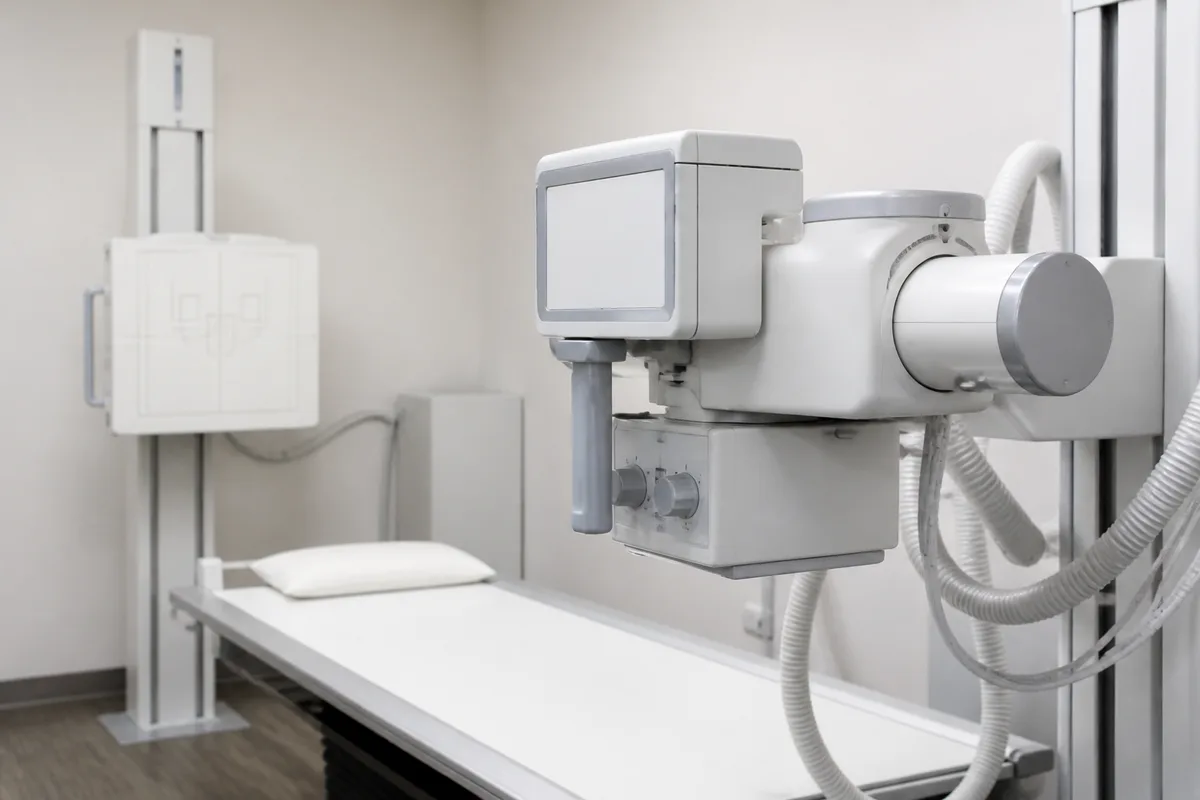
On-Site MRI & X-Ray
When a diagnosis needs a closer look, imaging is often the next step. Physical Therapy and Rehabilitation Center of Brooklyn offers MRI and X-ray on site, so imaging results can be reviewed alongside the rest of your care rather than scheduled as a separate errand across town.
What on-Site MRI & X-Ray is
X-ray uses a small, controlled dose of radiation to produce images of bone and dense tissue, making it useful for spotting fractures, joint changes, and alignment issues. MRI (magnetic resonance imaging) uses magnetic fields and radio waves rather than radiation to create detailed cross-section images of soft tissue — discs, ligaments, tendons, muscles, and nerves. Together, the two technologies cover most of what a physical therapist or physician needs to see before mapping out a treatment plan: X-ray for bone and structure, MRI for soft tissue and finer detail.
Having both available under one roof is different from the older model, where a patient would be referred out to a separate imaging center, wait for a report to be mailed or faxed back, and then return for a follow-up visit to discuss it. Keeping imaging close to the point of care shortens that loop.
How we use it at Physical Therapy and Rehabilitation Center of Brooklyn
At this practice, MRI and X-ray are performed on site, and radiologist reports are sent directly to your physician or therapist to help guide your treatment plan. This matters for many of the conditions treated here — back and neck pain, nerve-related pain, bone fractures, sports injuries, and recovery after spine surgery — where a clear picture of the underlying structure helps decide the right course of care.
Imaging findings can also connect directly to other on-site tools. For example, a spine that shows disc bulging or nerve compression on MRI may be a candidate for DRX9000 Spinal Decompression, while imaging that rules out a structural cause for balance problems can help direct a patient toward the Biodex Balance System for testing and training instead. Because the imaging, the therapy equipment, and the treating clinicians are in the same location, findings can be discussed and acted on without waiting on outside paperwork to arrive.
What it means for you
For patients, on-site imaging generally means fewer separate appointments and less time spent coordinating between locations. It also means the person planning your care can review the actual images and report rather than working from a secondhand summary, which supports clearer communication about what is happening in the body and why a particular treatment is being recommended.
Some general advantages patients typically value about having imaging close to their therapy:
- Fewer trips — imaging and treatment planning can happen without traveling to a separate facility.
- Faster feedback loop — reports go to your physician or therapist directly, which can shorten the wait between a scan and a treatment decision.
- Shared context — the clinicians planning your care can see the same images and reports, reducing miscommunication between providers.
What to expect during your visit
Before an X-ray, you'll typically be asked to remove jewelry or metal objects near the area being imaged. The scan itself takes only a few minutes; you'll be positioned briefly while the image is captured, and there's no discomfort involved.
For MRI, you may be asked about implants or metal in your body beforehand, since the machine uses a magnetic field. You'll lie still on a table that moves into the scanner, and the process can take anywhere from a few minutes to around 30–45 minutes depending on what's being imaged. Some patients hear knocking or humming sounds during the scan, which is normal. Afterward, there's no recovery time needed — you can generally continue with your day.
Once images are captured, a radiologist reviews them and sends a report to your physician or therapist, who will discuss the findings with you and explain how they shape your treatment plan.
Frequently asked questions
Is MRI or X-ray safe?
X-ray uses a small, regulated dose of radiation, and MRI uses no radiation at all, relying instead on magnetic fields. Both are standard, widely used imaging tools, though MRI requires screening for certain metal implants or devices beforehand.
How long does an MRI or X-ray take?
X-rays are usually completed within a few minutes. MRI scans take longer, often somewhere between 15 and 45 minutes, depending on the area being imaged and how many sequences are needed.
Will I feel anything during the scan?
X-rays involve no sensation at all. MRI involves lying still while the machine makes noise around you; it isn't painful, though staying still for the duration can feel a bit tedious for some patients.
Who is on-site imaging suitable for?
On-site MRI and X-ray are used for a wide range of patients, including those being evaluated for back or neck pain, nerve-related symptoms, fractures, and post-surgical recovery. Your physician or therapist will determine which type of imaging, if any, is appropriate for your specific situation.
If you'd like to learn more about how on-site MRI and X-ray could fit into your care, reach out to Physical Therapy and Rehabilitation Center of Brooklyn to ask about scheduling an imaging visit.
This content is for general information only and isn't medical advice. Check with your provider or doctor before you start a new exercise or treatment. If you have a medical emergency, call 911.